History
Born to Be Bartered: The Role of the United States Government in Turning Guatemala’s Children into Cold War Currency
Summary
Draft summaryThis paper examines the coercive and fraudulent adoption of Guatemalan children by families abroad during the Cold War. It argues that the United States government, intent on “saving” children from communism, knew of the fraud in the early 1980s yet kept issuing visas, and so tolerated and enabled the trade.
In 1983, in Zone 11 of Guatemala City, Guatemala, Blanca Luz López entrusted a full-time babysitter with the care of her three-year-old son—a common practice for working mothers like López, whose “long hours prevented them from assuming themselves the responsibilities of parenting.” López saw her son whenever she could, but one day, when she went to visit him, he was nowhere to be found. Desperate for answers, López confronted the caretaker who, unbeknownst to López, worked with Grace Larrad de Quan, a notorious illegal adoption ring leader. The caretaker claimed that she sent the boy to Larrad de Quan “for his greater safety.” Determined to reclaim her son, López begged Larrad de Quan multiple times for him, yet it took four months before Larrad de Quan agreed to return the child. Having grown “fond of [the boy],” Larrad de Quan insisted that the handoff occur during a piñata party at her residence so the boy could receive a proper goodbye. Without López’s knowledge, however, a private lawyer had already processed her son’s adoption “in exchange for an appreciable amount of money.” The process pulled the boy into the underworld of jaladoras, baby brokers who profited from stolen children. When López arrived at Larrad de Quan’s residence on June 9 with other adults and a young relative, Larrad de Quan’s accomplices emerged, methodically stabbing the adults to death while sparing only the child, whom they “immediately hid in a room…[for more] illegal business.” As night fell, Larrad de Quan and her accomplices wrapped the slaughtered bodies in bedsheets and loaded the corpses into the trunk and backseat of a blue Mitsubishi automobile before disposing of them at various locations around Guatemala City. No further information on the children’s whereabouts surfaced. Tragically, López’s ordeal was not an isolated incident. During the Guatemalan Civil War, sparked in part by the U.S.-backed coup of democratically elected President Jacobo Árbenz due to perceived “Communist threats,” one in every one hundred Guatemalan children, primarily of Mayan descent, was adopted by international families, most notably in the United States, typically through illegal means. In an action arguably as chilling as the coercive adoptions themselves, the U.S. Embassy in Guatemala had knowledge of the fraudulent adoptions in the early 1980s, yet continued to issue visas to stolen children and refrained from formal intervention until the late 1990s, by which time Cold War objectives had waned. This deliberate passivity illustrates how, during the Cold War, the United States government, driven by a desire to “save” children from supposed Communist regimes, tolerated and enabled coercive adoptions in Guatemala.
Relying on interventionist strategies rooted in an exceptionalist worldview, U.S. foreign policy during the Cold War prioritized the containment of Communism. During the Cold War era, a period of geopolitical rivalry between the United States and the Soviet Union from 1947 to 1991, containment strategies rationalized direct intervention in countries where policymakers perceived Communist influence. For example, historian Greg Grandin has argued that “the 1954 overthrow of Jacobo Árbenz would not have occurred had it not been for the United States.” This coup, which unseated a democratically elected president committed to “the welfare of the people,” triggered decades of instability and human rights abuses in Guatemala. Amid this climate of anti-Communist zeal, ethical considerations were routinely subordinated to geopolitical imperatives, a pattern mirrored in the realm of coercive adoption. For instance, highly publicized “babylifts,” operations that aimed to bring orphans to safety and find them adoptive families in the United States and other countries, popularized the notion of adopting from overseas. U.S. couples, eager to adopt, lobbied Congress for laws that facilitated faster adoptions, arguing that this initiative would support Cold War objectives. Proponents contended that international adoption from war zones functioned as a form of repatriating U.S. soldiers’ offspring, effectively framing the process as the salvation of children from Communism rather than a violation of the birth mothers’ rights. Politically, “the mutual solution [between sending countries and the United States], found without consulting birth mothers, was adoption by white families in the [United States].” Such policies not only reflected U.S. cultural values but also underscored the extent to which Cold War ideology overrode ethical concerns. In the United States, the imperative to counter Communism reduced remarkably vulnerable lives to commodities.
The U.S.-backed coup that toppled Jacobo Árbenz in 1954 directly paved the way for the Guatemalan genocide against the Indigenous Mayan population, making the U.S government complicit in the ensuing atrocities. During the Guatemalan Civil War, the U.S government “bolstered an intelligence system that…metastasized throughout the body politic.” By “push[ing] for the creation of a…counterinsurgency network [and] upgrading the intelligence system with new weapons,” the U.S. government demonstrated the prioritization of geopolitical interests over the ethical concerns of the Guatemalan Civil War. Supported by the United States, the Guatemalan army’s genocidal campaign against the Indigenous Maya included the abduction of children, who were forcibly taken from their villages and unlawfully placed for adoption. This practice extended U.S. complicity beyond military support and fell within the definition of genocide, as outlined in the 1948 Genocide Convention, which classified the act of “[f]orcibly transferring children of [one] group to another” as a punishable offense. Although the U.S. government justified its intervention as a necessary safeguard against Communism, this rationale concealed the devastating reality: U.S. aid enabled the systematic destruction of the Mayan population. This tacit endorsement of human rights violations implicitly allowed atrocities to unfold with impunity.
Portraying international adoption as a means to uphold capitalist ideals and moral superiority over communist regimes, Cold War propaganda not only reinforced “traditional” family values but also influenced U.S. adoption policies. Throughout the 1950s, Cold War propaganda appeared in American media. Much of it “celebrated the distinct advantages of living in a prosperous, capitalist nation.” Cold War propaganda openly promoted “[t]he benefits of the nuclear family, positioning it as a moral safeguard against Communism.” International children, many of whom had living, loving parents, were transported to the United States to effectuate this perceived advancement.
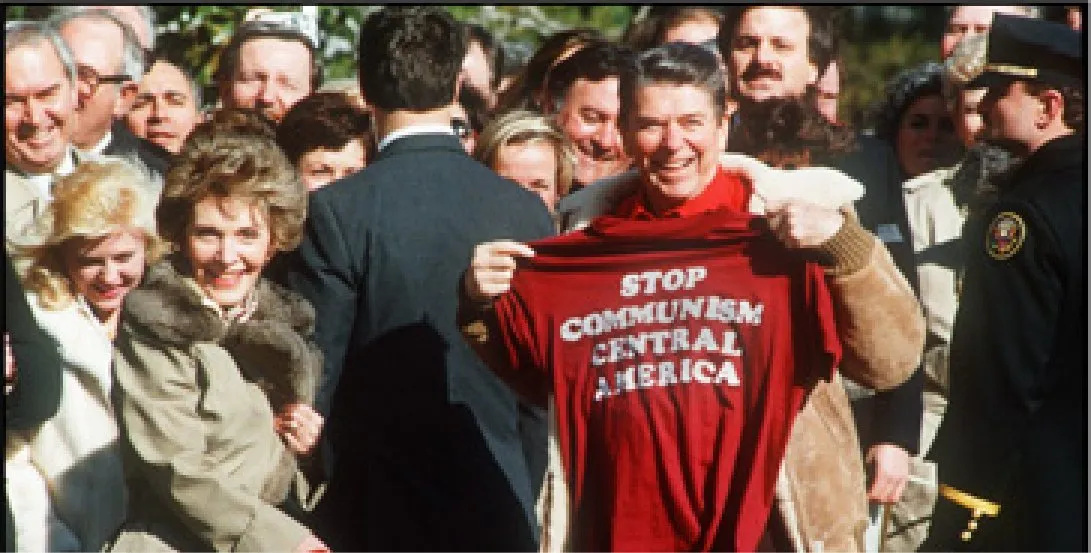
Not only did U.S. policymakers tolerate coercive adoptions from Guatemala, but they also actively defended them. The Reagan administration’s view that the ideological struggle against Communism (See Figure 1) justified human rights abuses evolved to deflecting reports of fraudulent adoption practices and attributing false rumors to Communist propaganda. As tensions heightened with the strengthening of leftist movements in Latin America, U.S. officials treated the removal of Guatemalan children as a humanitarian intervention meant to protect them from the influence of Communist regimes. Moreover, authorities viewed Guatemala as a critical battleground in the global fight against Soviet expansion. As a corollary, ideological framing extended beyond military aid and intelligence networks, seeping into adoption practices that transformed vulnerable children into ideological assets. Reinforcing the urgency to act against leftist regimes, President Reagan and “most of his key advisors believed that conflicts in Latin America” sprang from a “grand design” by the Soviet Union to expand its global reach. This perspective underpinned the Reagan Doctrine, which aimed to “weaken the links between radical Third World regimes and the Soviet Union” and promote U.S. interests by undermining leftist governments. As Reagan’s ambassador to the United Nations, Jeane Kirkpatrick, asserted, “Central America is the most important place in the world for the United States.” Upon taking office, Reagan quickly moved to convert Latin America into a zone where “U.S. power would stand as an unquestioned bulwark against the Left,” even if such actions relied on violations of fundamental human rights. Despite evidence of human rights violations and coercive practices, U.S. officials sanitized the moral implications of these adoptions, effectively downplaying, if not ignoring, the exploitation at the heart of these adoptions. Children, once deemed “emotionally priceless,” became transactional assets in a system where demand dictated their value, paving the way for a thriving transnational adoption market.
In the 1970s, a shortage of adoptable infants in the United States, coupled with the displacement of children during the Guatemalan Civil War, created a perfect opportunity for a market-driven exchange between sender and receiver. For those who wished to adopt in the United States during this time, a so-called “white baby famine” emerged, fueled by declining birth rates, the legalization of abortion, the increased use of contraceptives, and shifting cultural norms around family structure, including but not limited to greater acceptance of single parenting and delayed timelines for marriage and childbirth. Consequently, North American families increasingly sought to adopt Guatemalan infants. For instance, in 1979, a U.S. adoption agency sent a letter to the Elisa Martínez Orphanage in Guatemala stating that “the adoption of an infant in the U.S. is very difficult due to a lack of available children.” In response to increasing demand, jaladoras—a term meaning “baby pullers,” derived from the Spanish verb jalar (“to pull”)—found new incentives to operate.
The rise of international adoptions in Guatemala gradually eclipsed domestic adoptions, allowing intermediaries and private agencies to dictate adoption decisions and prioritize profit over child welfare. On February 4, 1976, a devastating 7.5-magnitude earthquake struck Guatemala, shaking the country for forty-five seconds. As a result, “[t] thousands of children [were] orphaned,” prompting the Guatemalan government to declare an orphan crisis. The aftermath of this natural disaster led the Guatemalan government to establish a privatized process for international adoptions. This process benefited intermediaries while reducing government accountability and allowed unethical practices to thrive under the guise of addressing a humanitarian crisis. By legalizing “fully privatized adoptions” in 1977, the Guatemalan government created an environment where lawyers and jaladoras could collaborate without governmental oversight. This privatized process rapidly supplanted the state adoption system. Adoptive parents in the United States tended to favor the private system because it was “faster, and because lawyers were free to look for exactly the kind of child they wished to adopt.” By implication, the growing popularity of private adoptions demonstrated how legal changes in Guatemala enabled the commodification of children, turning them into products to be selected based on specific criteria. Furthermore, children placed for adoption through the private system, unlike those in state-run orphanages, were “very rarely orphans” because “[o]rphans were not an attractive proposition for lawyers.” A birth mother could consent to adoption by signing relinquishment papers, often without fully understanding the implications, whereas adopting an orphan required a judge’s declaration of abandonment, a significantly longer process. This privatized system created opportunities for jaladoras to exploit loopholes and meet the rising international demand by strategically manipulating the legal distinctions between forcibly relinquished children and true orphans.
Leveraging their proximity to vulnerable communities, jaladoras manipulated defenseless families to secure children for private adoption lawyers, transforming their insider status into a lucrative advantage. This dynamic created a system where poverty and desperation enabled the recruitment of jaladoras, whose actions ultimately sustained a cycle of exploitation that enriched foreign adoption networks. A common tactic jaladoras used involved convincing mothers to relinquish their children under the guise of securing a better future. While some jaladoras resorted to outright child abduction, most relied on persuasion, targeting young mothers and pregnant women in public places like buses and markets. Once a jaladora chose a victim, “[t]hey would flip through photo albums showing Guatemalan boys and girls in the comfortable homes of middle-class families” in the United States, presenting an alluring narrative that masked the harsh realities of forced adoptions. Another particularly cruel tactic jaladoras employed involved offering fake scholarships to the children of illiterate mothers. Deceived into believing they were securing a better future for their children, mothers unknowingly signed adoption consent forms, allowing their fraudulently obtained children to disappear from Guatemala forever. Furthermore, jaladoras committed physically violent and heinous acts if mothers refused to comply. Bruce Harris, an international adoption monitor, found “many documented cases of mothers…who were drugged and given a [forced] caesarean section.” The violence inflicted upon these women underscored the lengths to which jaladoras would go to profit from the illicit adoption trade. This incredibly disturbing abuse set the stage for countless personal tragedies.
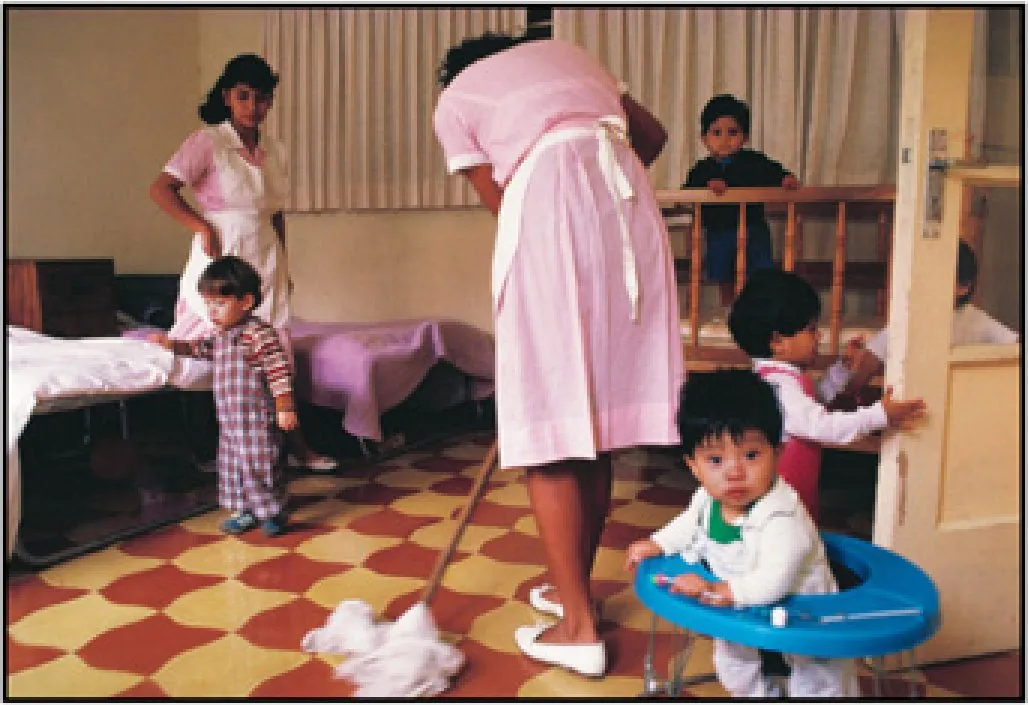
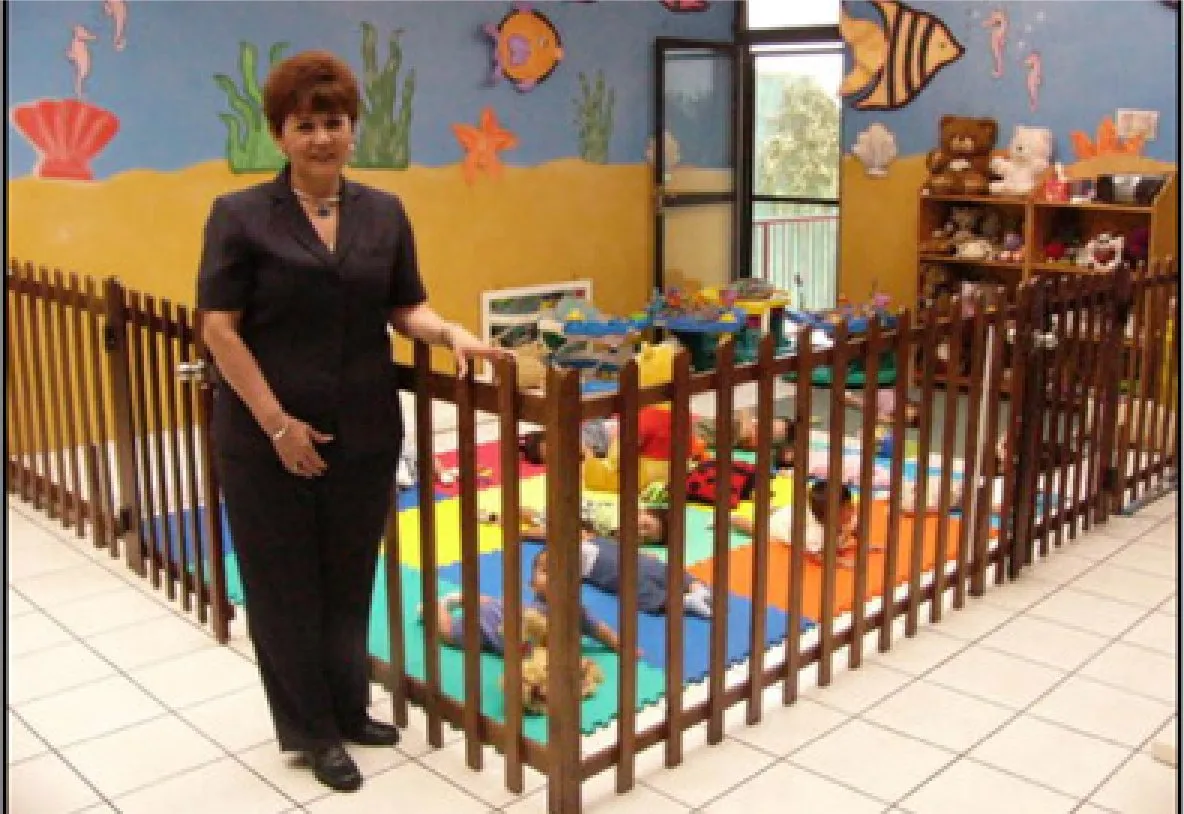
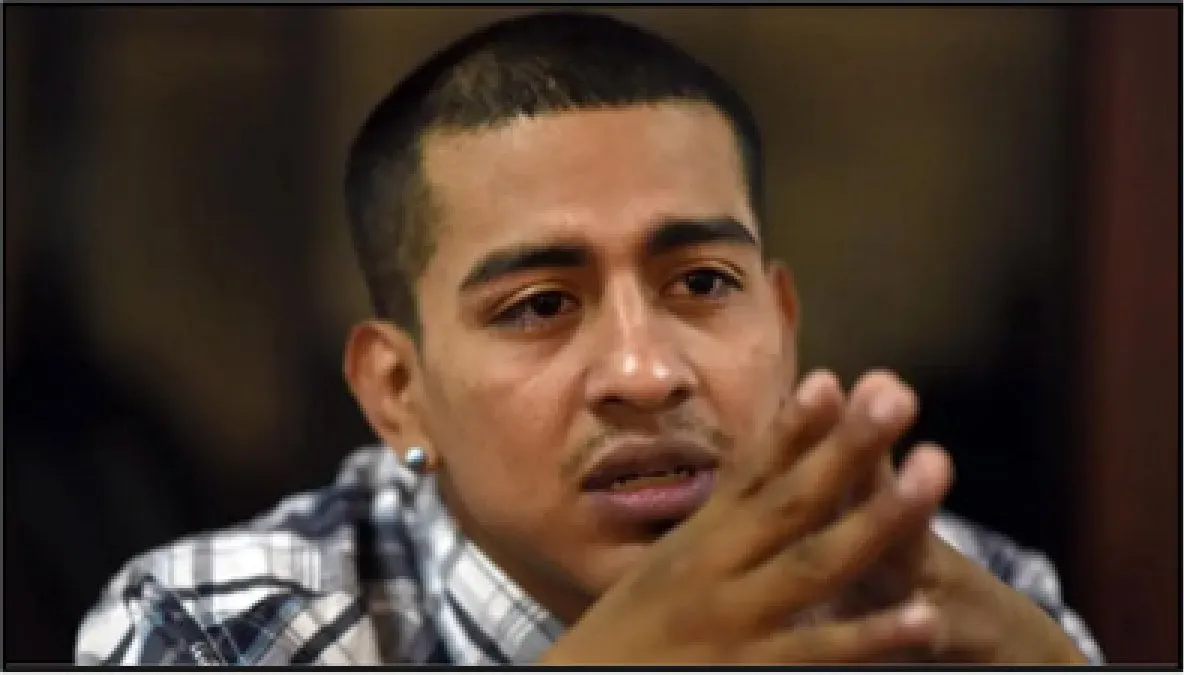
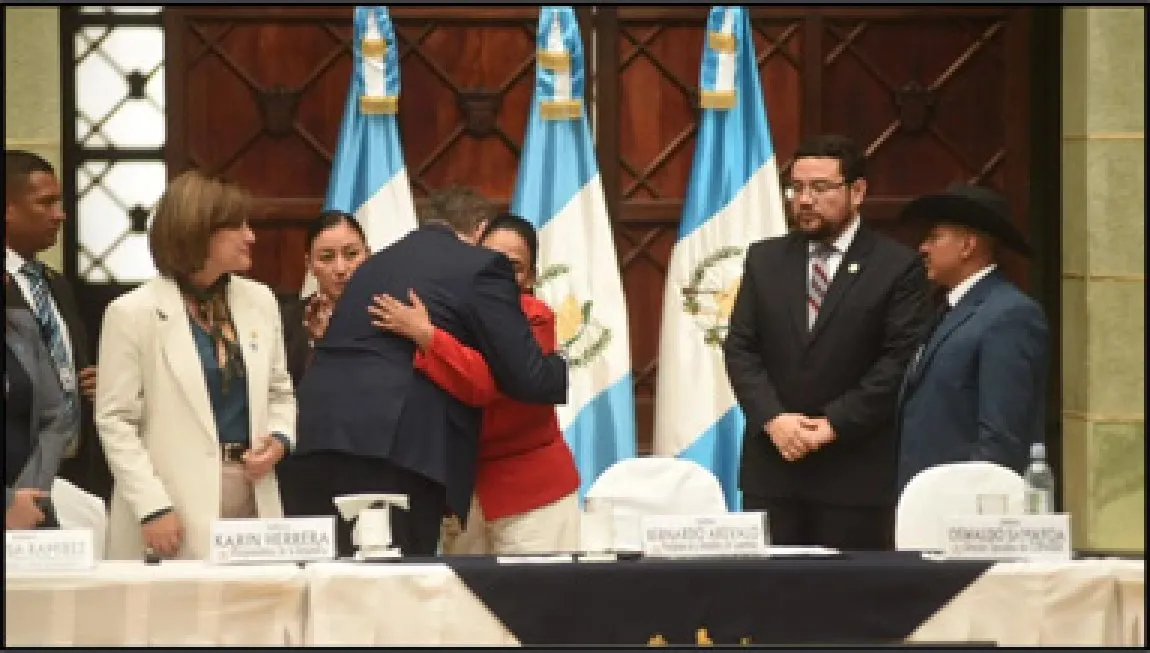
Personal stories of mothers and children caught in the web of coercive adoptions highlight the devastating human impact of the systematic exploitation orchestrated by jaladoras and facilitated by U.S. adoption practices. In 1972, an adoptive mother contacted the private orphanage from which she obtained her Guatemalan daughter, questioning why her little girl had been placed for adoption. A social worker from the program wrote her back, instructing her to tell her daughter that the biological “mother died when she was very young.” However, the biological mother was not dead at all; in fact, an internal record that the adoptive mother never saw stated that “[t]he [biological] mother presented herself to reclaim the minor.” This case exemplified the deception and deliberate misinformation used to manipulate adoptive parents and justify child placements. This story, however, was just one facet of the broader reality, where the exploitation of children often escalated into more violent and forceful methods. Elivia Ramírez Cano was thirty-two years old when she was deceived and kidnapped by a Guatemalan couple promising her a job in their home. Instead of working, she was held captive in the couple’s house until she was ready to give birth. She shared her traumatic experience, lamenting, “I was given drugs to make the birth quicker, and then the baby was pulled out of my stomach…I didn’t know whether it was a boy or a girl…the couple told me I was too poor to be a mother and they were going to put my baby up for adoption.” The couple’s justification for their horrendous actions reinforced the harmful narrative in international adoption, in which financial privilege was assumed to always equate to a “better life.” The kidnappers’ cruelty mirrors the ruthless deception encountered by Mariela Sifontes’s mother, Lorena. Sifontes was born in Roosevelt Hospital in Guatemala City, and, after two days, they told young Lorena that Mariela had been taken to another hospital. When Lorena went to the other hospital, looking for her daughter, hospital employees told her that she could not see her baby because her daughter had “died [and]...[had been] buried in a mass grave.” In reality, Mariela was being held captive in a basement until her illegal adoption was completed. Upon learning about and mentally processing her coercive adoption, Mariela, despite having a “very good childhood,” began to suffer from post-traumatic stress disorder. Like Mariela, Osmin Tobar endured the forced adoption system in 1997. His adoption, organized by the jaladora Susana Loarca, who was arrested multiple times throughout the early 2000s, caused him to repeatedly relive the memory of being “taken from his mother in Guatemala like a broken record.” Moreover, an image of Loarca with stolen babies in Guatemala (See Figure 3) underscores the trauma and corruption entrenched in these coercive adoptions. Tobar, at the age of seven, was allegedly ripped away from his biological family because authorities “received reports that he had been abused and abandoned by his mother.” Authorities neglected to investigate these allegations. Tobar’s father, who was separated from his mother, also contested the declaration of abandonment that allowed his son’s international adoption “without [his] consent,” evidence of the systemic disregard for paternal authority in coercive adoption practices. After learning of the coercive nature of his adoption, Tobar undertook the emotional process of seeking justice before the Inter-American Court of Human Rights (See Figures 4 and 5), where he exposed Guatemala’s systemic failures. These cases revealed a disturbing pattern in which coercive adoptions thrived not only through deception and force but also through the complicity of institutions, including the U.S. Embassy, which ignored red flags and failed to protect biological families, continuing to issue visas to stolen children while allowing these practices to persist unchecked.
The U.S. Embassy’s failure to intervene in adoption fraud showed a calculated prioritization of American adoptive parents’ desires over the protection of Guatemalan families. Despite internal concerns about kidnapping-for-adoption scandals, embassy officials worried more about a “possible public relations disaster” than the human cost of coerced adoptions. A 1988 cable from Secretary of State George Shultz acknowledged that “[m]any adopting parents have invested a tremendous amount of time and suffered emotional strain,” suggesting that adoptive parents’ emotional commitment made them “prime candidates for exploitation.” However, nowhere did these memos express concern for the emotional trauma endured by birth mothers and children who were forcibly separated. The embassy’s internal communications consistently emphasized minimizing delays in adoption processing to appease politically influential adoptive parents. One 1989 cable starkly captured this imbalance, stating that embassy officials often found themselves “caught between anxious prospective U.S. parents and an unreliable… fraudulent Guatemalan adoption system.” This disparity translated into a system where the urgency of American desires overrode ethical considerations, allowing the fraudulent adoptions to persist. Even when evidence of falsified adoption paperwork, such as fake birth certificates, surfaced in 1988, the embassy imposed no significant controls on adoption practices until a decade later, when mandatory DNA testing began.
One might argue that adoption procedures ought to be simplified to prioritize the child’s economic well-being, as financially stable U.S. households are often perceived as offering a better future than poverty-stricken Guatemala. Yet, many of the commentators who have argued that coercive adoptions caused no harm happen to have participated in the illegal adoption industry. For example, in 2006, the jaladora Susana Luarca asked New York Times officials: “[w]hich would a child prefer, to grow up in misery or to go to the U.S., where there is everything?” Similarly, Edmond Mulet, a former Guatemalan diplomat at the United Nations and a recent political candidate in Guatemalan elections who was found guilty in 1991 of falsifying adoption papers, remarked that “children’s lives were saved by those adoptions, there are no victims here.” Likewise, in an interview with the Guatemalan newspaper company Siglo Vientiuno, Guatemalan lawyer Linares Beltranena argued that “[i]f we restrict the adoption of children, those who are going to suffer are the children.” By reducing children to objects of exchange, Beltranena’s position reflected how simplifying adoption processes prioritized financial status over ethics. As Ramón Cadena Rámila lamented in his UNICEF report on the trafficking of Guatemalan children, “children are treated as objects of commerce and not as subjects of the law.” Mulet, Luarca, and Beltranena’s narratives, which frame coercive adoptions as acts of salvation, parallel the views of American adopters who advocated for simplifying the adoption process without acknowledging the potential for exploitation. Laura Ingraham, a controversial conservative television personality who adopted three children, including one from Guatemala, reflected on the lengthy process of acquiring her Guatemalan daughter. She argued that adoption should be made easier for American couples, emphasizing the benefits for both the children and the adoptive parents. While Ingraham’s viewpoint highlighted the desire to simplify the adoption process, her perspective overlooked the complexities involved in ensuring ethical adoptions. Moreover, Ingraham’s sentiment overlooked the perspectives of Indigenous communities. For example, in 2010, reflecting on the aftermath of the coercive adoptions, the U.S. Embassy in Guatemala acknowledged that certain Indigenous groups had raised apprehensions, with one cable declaring that, “[s]ome persons... complained that the more developed countries were stealing their heritage and future by adopting their children.”
Altogether, the coercive adoptions that flourished in Guatemala reflected a disturbing convergence of U.S. foreign policy, Cold War ideology, and market-driven exploitation that commodified vulnerable children. In prioritizing geopolitical interests and promoting capitalist ideals, the U.S. government tolerated a system that transformed adoption into an industry where profit overshadowed ethics. Jaladoras exploited impoverished families under the guise of securing better futures, while U.S government authorities ignored mounting evidence of fraud in order to appease adoptive parents. This negligence, combined with Cold War propaganda that framed international adoption as a moral rescue mission, legitimized the trafficking of Guatemalan children. Even after mandating DNA testing and birth mother interviews to prevent fraud, these new measures failed due to weak oversight and pervasive corruption. Personal stories of mothers robbed of their children and adoptees suffering lifelong trauma underscored the devastating human cost of this exploitation. While proponents justified these adoptions as acts of salvation, they disregarded the voices of biological families whose suffering was deemed irrelevant. The closure of international adoptions from Guatemala in 2007 came too late to undo the harm inflicted on thousands of families, serving as a stark reminder that prioritizing political and economic objectives over ethical considerations leaves a lasting legacy of injustice.
Figures
Citations
- ‘The Lost Children of Guatemala’ (full Version). Produced and narrated by Noticias Telemundo. Noticias Telemundo, 2020. Accessed February 5, 2025. https://www.youtube.com/watch?v=aUnQW3E-yYs.
- Abbott, Jeff. “Guatemalan Government Apologizes to Victims of Illegal Adoptions.” The Progressive, July 22, 2024. Accessed March 23, 2025. https://progressive.org/latest/guatemalan-government-apologizes-to-victims-of-illegal-adoptions-abbott-20240722/.
- Acevedo, Nicole. “A Painful Truth: Guatemalan Adoptees Learn They Were Fraudulently Given Away.” NBC News, December 8, 2018. Accessed February 4, 2025. https://www.nbcnews.com/news/latino/painful-truth-guatemalan-adoptees-learn-they-were-fraudulently-given-away-n1095066.
- Cano, Elivia Ramirez. “Illegal Adoption Frustrated.” Last modified February 18, 1999. Digital file.
- Chapman, Matthew. “’Children available: newborns, healthy, male and female.’” The Guardian (England), August 26, 1999. Accessed February 4, 2025. https://www.theguardian.com/theguardian/1999/aug/27/features11.g2.
- de Moraes, Lisa. “Laura Ingraham Concedes Detention Centers As ‘Summer Camps’ Comparison, Sticks With ‘Boarding Schools.’” Deadline (Los Angeles, Californa), June 19, 2018. Accessed March 22, 2025. https://deadline.com/2018/06/laura-ingraham-immigrant-child-boarding-schools-defends-under-attack-fox-news-video-1202413179/.
- Gleijeses, Piero. Shattered Hope: The Guatemalan Revolution and the United States, 1944-1954. Princeton, NJ: Princeton University Press, 2006.
- Grandin, Greg. The Last Colonial Massacre : Latin America in the Cold War. Updated ed ed. Chicago: University of Chicago Press, 2011.
- Llewellyn, Jennifer, and Steve Thompson. Cold War Propaganda. February 20, 2018. Accessed March 14, 2025. https://alphahistory.com/coldwar/cold-war-propaganda/.
- McCormick, Evan D., Daniel W. Fisk, Michelle Getchell, Edward A. Lynch, Andrea Oñate-Madrazo, and James M. Scott. Policy Roundtable: Reagan and Latin America. December 18, 2018. Accessed March 26, 2025. https://tnsr.org/roundtable/policy-roundtable-reagan-and-latin-america/#essay2.
- McDowell, Bart. “Earthquake in Guatemala.” National Geographic, June 1976, 810-29. PDF.
- McIntyre, Erin Siegal. The Limits of Jurisdiction. November 1, 2014. Accessed March 23, 2025. https://www.guernicamag.com/the-limits-of-jurisdiction/.
- Misic, Lidija. “The Exploitative Practices of Guatemala’s Adoption Industry.” Humanium. https://www.humanium.org/en/the-exploitative-practices-of-guatemalas-adoption-industry/#:~:text=Between%201977%20and%202007%2C%20Guatemala,between%20lawyers%20and%20baby%20brokers.
- Nolan, Rachel. “Destined for Export.” Harper’s Magazine, April 2019. Accessed March 15, 2025. https://harpers.org/archive/2019/04/destined-for-export-guatemalan-adoptions/.
- Nolan, Rachel. Until I Find You. London, England: Harvard University Press, 2024.
- Nolan, Rachel. “Until I Find You Disappeared Children and Coercive Adoptions in Guatemala with Rachel Nolan.” Interview by Adoption Network Cleveland. Video, 55:40. YouTube. Posted by Adoption Network Cleveland, February 19, 2024. Accessed March 15, 2025. https://www.youtube.com/watch?v=c4s5-Gc5i24.
- Rámila, Ramón Cadena. New Forms of Violence against Children: A Report on the Trafficking of Children and International Adoptions in Guatemala. UNICEF, 1994.
- Sifontes, Mariela. “Niños robados: ‘Mis padres adoptivos pensaron que habían hecho un acto de amor. Resultó ser un secuestro’” [Stolen children: “My adoptive parents thought they had acted out of love. It turned out to be a kidnapping.”]. Translated by the Author. BBC. Last modified December 4, 2020. Accessed April 1, 2025. https://www.bbc.com/mundo/noticias-55025235.
- Susana Luarca directora de la Asociación Primavera aparece en la imagen en oficinas de la entidad que dirigió y donde según el MP facilitaba las adopciones irregulares. Photograph. Soy502. Accessed March 12, 2025. https://www.soy502.com/articulo/capturan-tres-en-la-costa-sur-por-adopciones-ilegales.
- UN. Convention on the Prevention and Punishment of the Crime of Genocide. December 9, 1948. Accessed March 28, 2025. https://www.un.org/en/genocideprevention/documents/atrocity-crimes/Doc.1_Convention%20on%20the%20Prevention%20and%20Punishment%20of%20the%20Crime%20of%20Genocide.pdf.
- Washington, John. “Children for Sale.” Editorial. Harper’s Magazine. Accessed March 17, 2025. https://harpers.org/archive/2024/04/children-for-sale/.
- Zelizer, Viviana A. Rotman. Pricing the Priceless Child: The Changing Social Value of Children. Princeton, N.J.: Princeton University Press, ©1994, ©1985. Digital file.